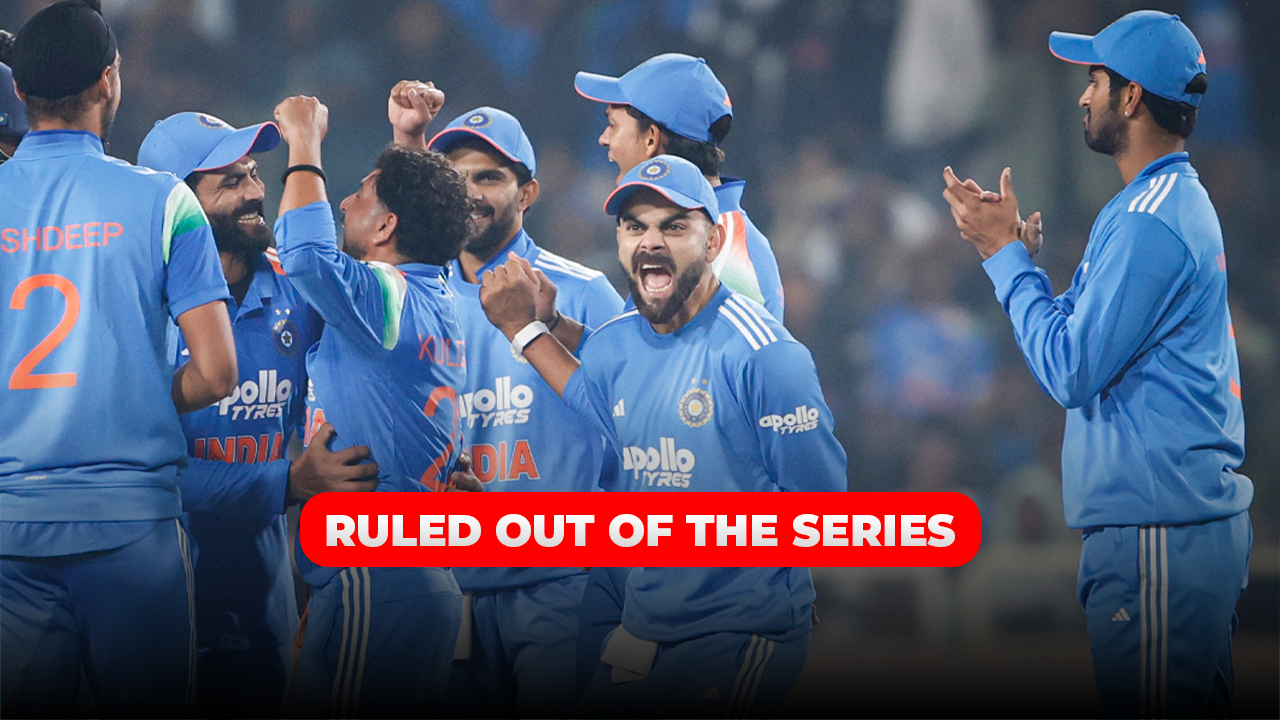


Cricket is a game of passion, strategy and aggression which seeks the moments of intense pressure. Whether it’s a batsman chasing runs till the last ball, a bowler defending runs for his team in the last over or a catch that changes the face of the match, it creates the intense pressure that can make or break the player forever. Even the experienced players get shaken in the intense pressure of the match, and it’s a phenomenon known as “choking.” In Cricket, keeping your mind strong is as important as being physically fit. Understanding why even the greatest player chokes at the intense moment of the match. It will helps us to explain the mental situation of the players and what they go through.
What is Choking in Sports?
Choking in sports refers to a significant drop in performance when the team is under intense pressure and the sportsman fails to perform where the batsman typically used to perform well with ease. In Cricket, this is a very easy thing to happen. Here, the well-set batter faces a dismissal due to a reckless shot, a bowler delivers a ball on the batter’s slot or throws a wide ball in a crucial over, or a fielder misses a simple catch. The media and fans often use the term or word choking and unfairly weaponize it. But it’s a complex psychological process where it all depends on how we think and feel under pressure.
According to phycologist, choking is when someone can’t handle pressure and fails to deliver their usual performance. Sian Beilock, an expert on chocking, says it happens when overthinking, anxiety and fear interrupt the skill you usually perform even if you are experienced in it. Wherein Cricket, quick decision matters a lot. It can cause a serious damage to the team performance and can affect others as well.
The Science behind Choking

Choking is not because of a lack of skill but being unable to use that skill under pressure. Two main psychological theories explain why this happens:
1. Explicit Monitoring Theory:
In this theory, a player under pressure starts thinking too much actions they usually do automatically. We can take Virat Kohli as an example where he would play the cover drive shot without even think but under pressure, he might overthink his movements which can impact his timing and shot decision
2. Distraction Theory
This theory says that in a moment of intense pressure, a player focus can shift to things that usually happens in sports like crowd noise, that low defending or chasing score, and fear of failure. Even a experienced bowler like Jasprit Bumrah trying to defend a low scoring match wherein 10 is required in last ball and in this pressure, even a GOAT bowler like Bumrah can also get distracted by unimportant thing and might lose focus.
Each theory shows that how a intense pressure can change a players focus and can lead to a costly mistake in cricket where one moment can change everything.
Iconic Examples of Choking in Cricket
The Cricket history has seen many moments where even a legendry player has fallen in the traps of choking. Here are few examples:
South Africa – 1999 World Cup Semi-Final:

South Africa hasn’t won a single World Cup yet. They had a golden chance to win their first WC in 1999s. SA had to chase low-scoring 209 runs against undefeated Australia. South Africa needed just 9 runs in the last over. Lance Klusener smashed two back-to-back boundaries leaving only 1 runs in 4 balls but the confusion with Allan Donald during running for 1 run led Australia to one crucial wicket which changed everything. This one mistake cost South Africa to lose their first world cup. This was the moment where fans and media added a tag of “chokers” in crucial moments.
India – 2003 World Cup Final
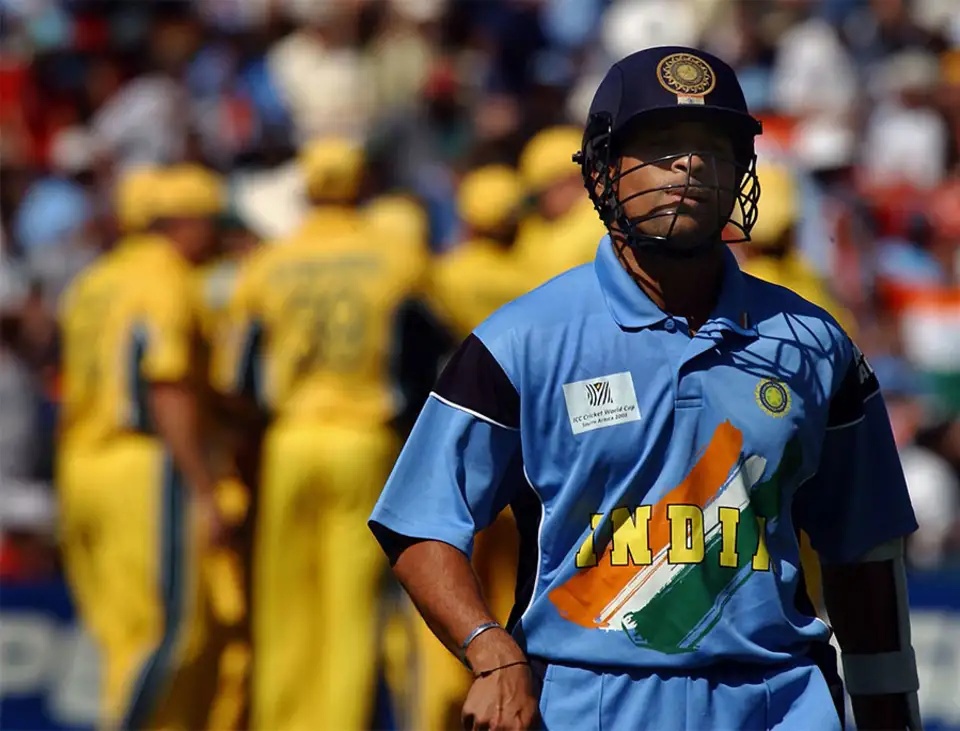
India was just one win away from winning their 2nd WC by chasing a huge target of 359 by Australia. They were in a lot of pressure and mentally scared of losing their chance of world cup and the big score by Australia got them making India all out in just 234 runs. Even after being highest run scorer in 2003 World Cup, the God of Cricket, Sachin Tendulkar failed to perform in the finals and lost his wicket at just 4 runs.
England – 2019 World Cup Final (Almost)
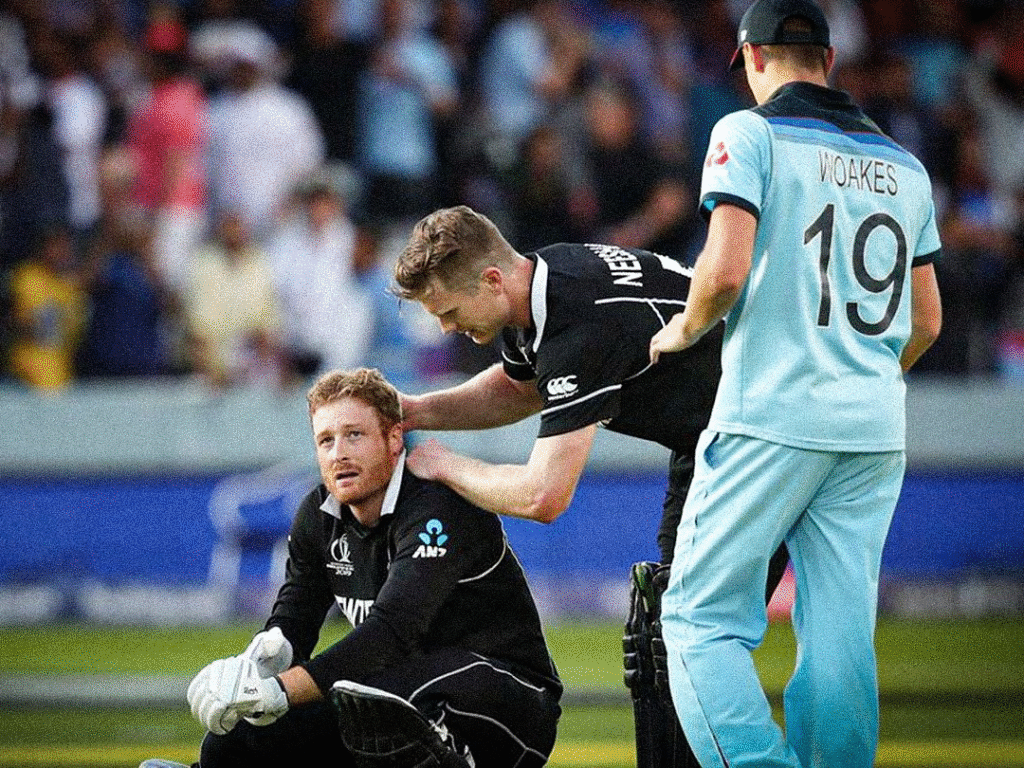
In 2009 World Cup, it was New Zealand facing England in the finals. New Zealand set a average target of 241 with the help of Henry Nicholls half century. In response, England also fought at the same energy. In the final overs, Ben Stokes nearly missed to run out. Explicit Monitoring Theory dominated Ben Stokes’ performance in the 2019 World Cup. Even a great player can make a decision in a pressure which can lead the team to a big lose.
These examples shows how you really need to be strong mentally and physically fit and strong to snatch a victory even in a crucial moments of the matches