

Batters in cricket aim to score as many runs as they can. The bowler, on the other hand, has a job to do. They are responsible for stopping the batters from scoring by either conceding fewer runs or making the batters out. The struggle between batters and bowlers encapsulates what makes this game so engrossing. It’s the most entertaining facet of the game.
We all know how thrilling it looks when the batters hit long sixes; at the same time, cricket fans relish the aggression that occurs when the bowler sends a batter back to the pavilion.
There are 10 different ways that a batter can be out in cricket, each with its subtle specifications. The most common ways are bowled and caught, while others are far more technical, like LBW and obstructing the field.
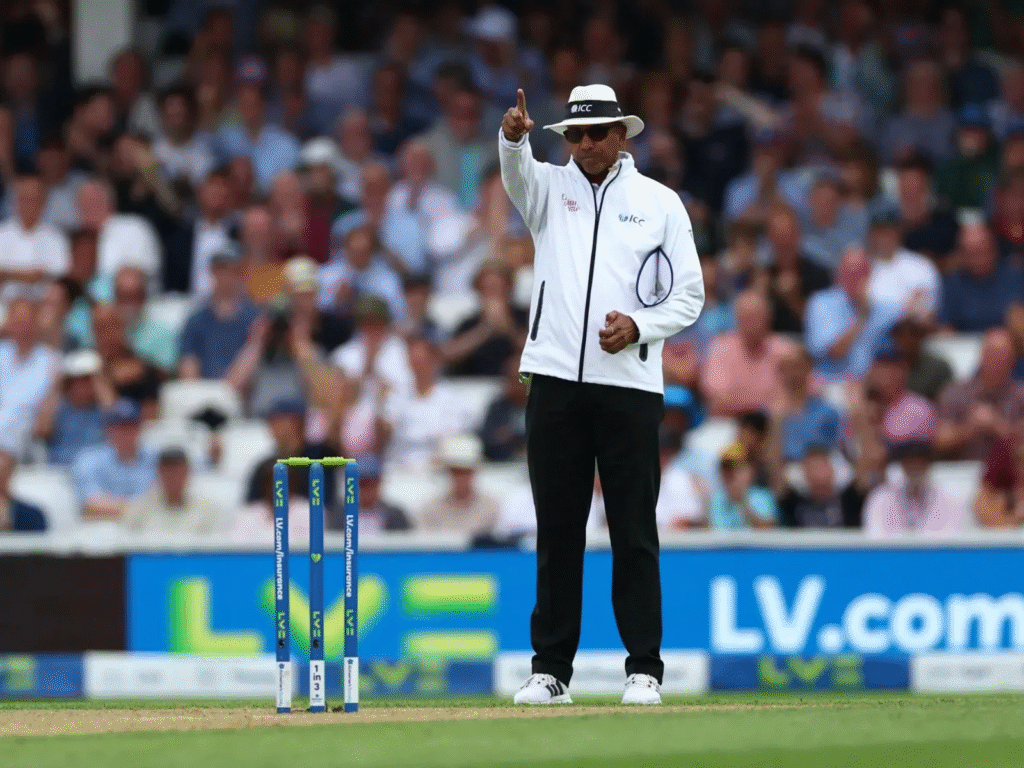
For most of these dismissals, the delivery also has to be a fair delivery (not a no-ball). Batters cannot be out typically on a no-ball, apart from rare exceptions like a run-out. Wides are also considered a no-ball. You can make a wicket with a wide also, but this is a rarity.
Here are 10 types of OUTS in cricket:
Bowled
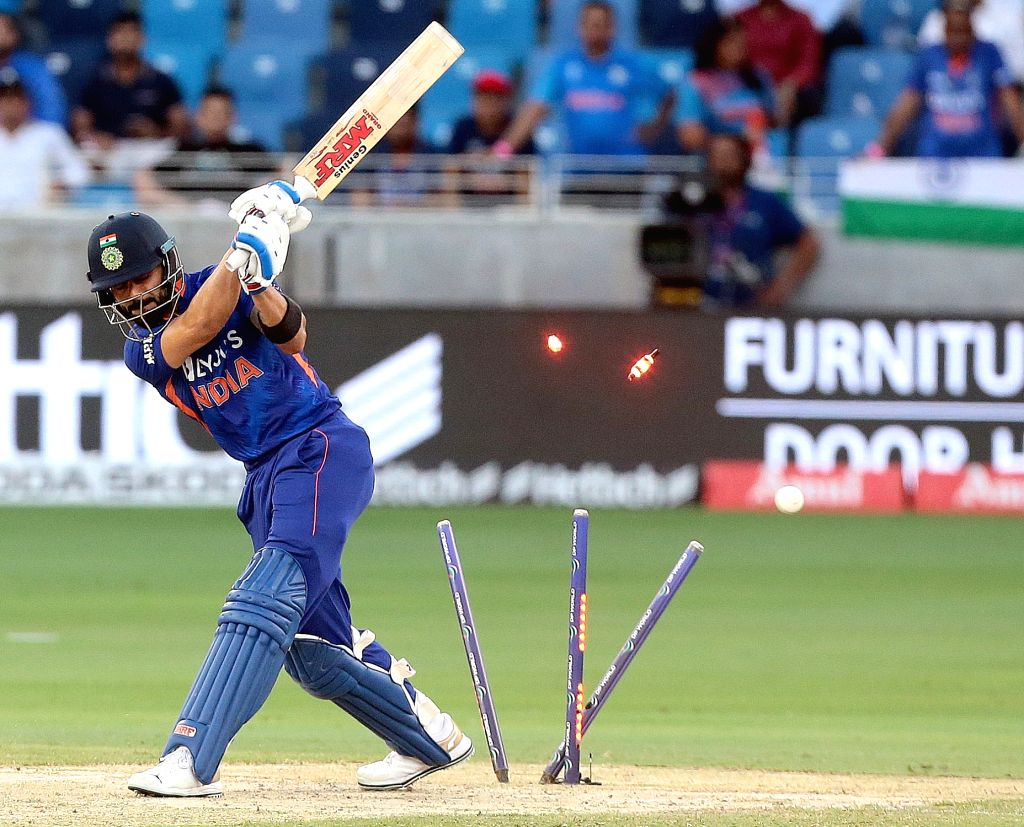
Bowled is when the bowler bowls a delivery, and the ball hits the stumps and dislodges the bails (the batter is bowled). It can also happen if the ball hits the bat or pad, etc, before it hits the stumps.
Caught
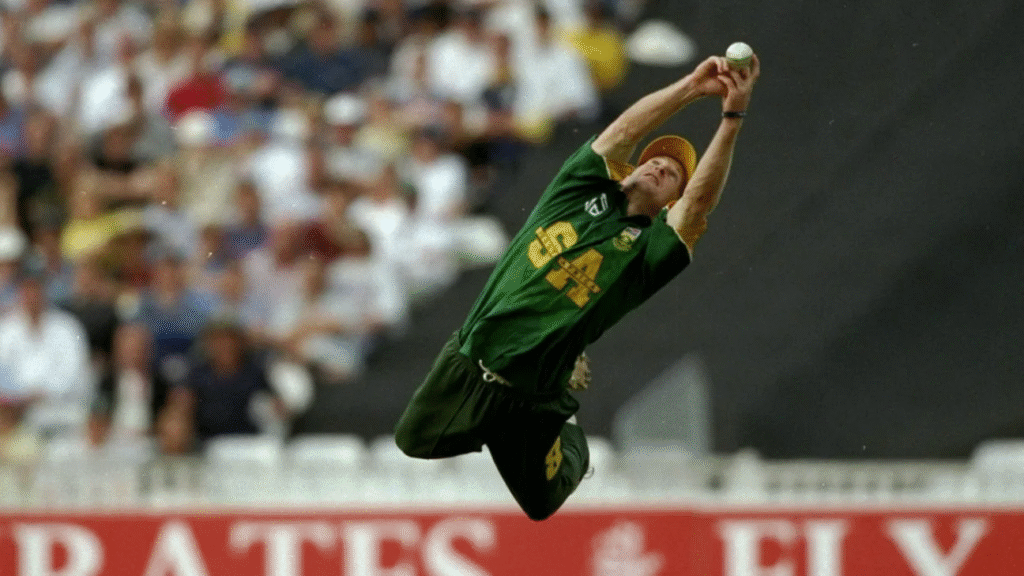
If the ball is hit by the batter and it is caught by any fielder (which includes the wicketkeeper) without the ball touching the ground, the batter is ‘out’. This includes edges, top-edges and even full-blooded shots that are caught clean
Hit Wicket
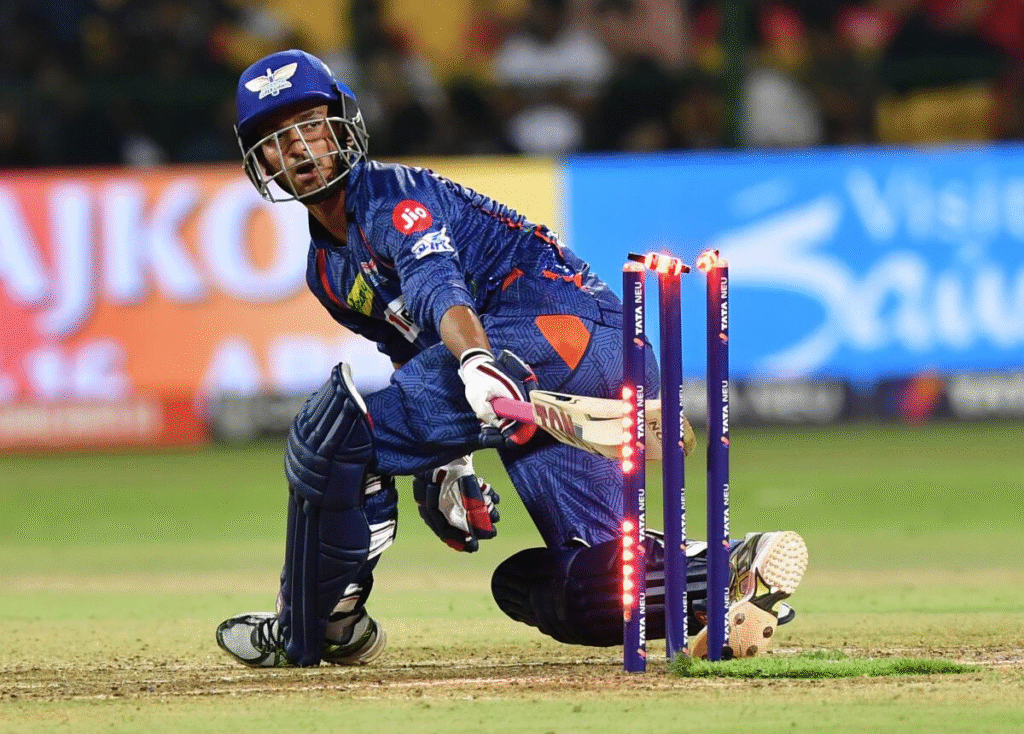
A batter is out hit wicket when the batter accidentally hits the stumps with their bat or body while trying to deliver a shot or even taking a stance. This usually happens because a player is ‘having a go’ at the ball or has lost balance.
Leg Before Wicket or LBW

A batter is out LBW if the ball hits any part of their body (except the bat) and the umpire is of the opinion it is going to hit the stumps. This is of course, assuming the ball has not touched the bat and various conditions regarding the line and how the ball bounces mean it is out LBW.
Run Out
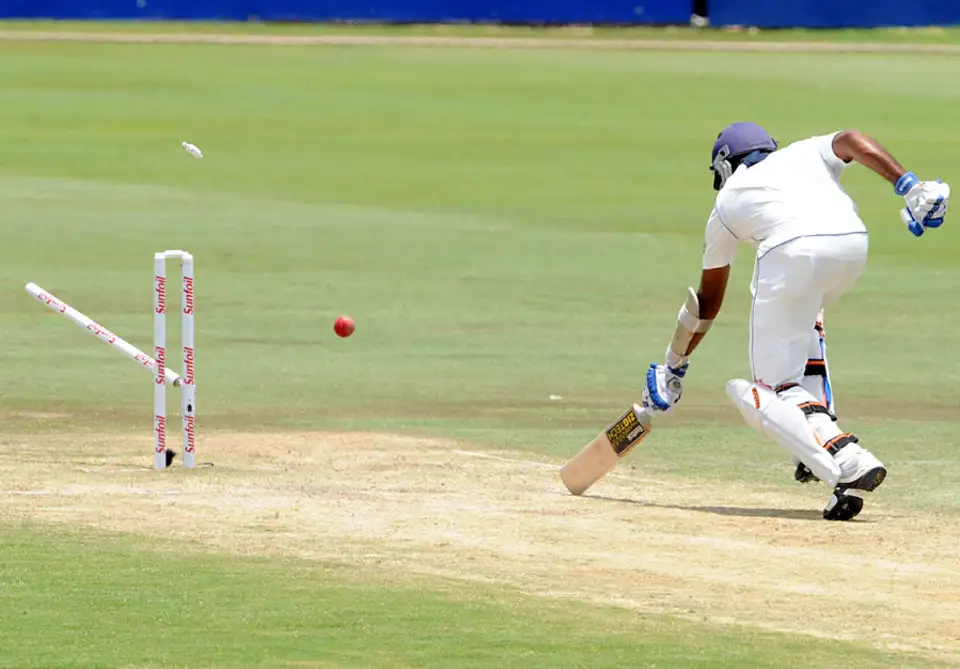
A batter is run out if the batter is taking a run and when out of their crease, the stumps are broken by the ball, and the fielding side is in action. This is often the case when batters attempt to take risky singles or misjudge a run.
Stumped
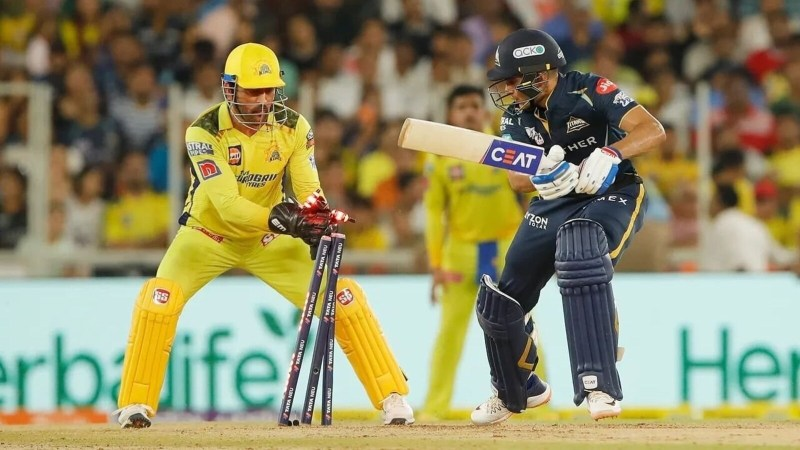
When the wicketkeeper puts down the stumps with the ball in hand and the batter is out of their crease. This happens often when a batter steps out to play a spin bowler and misses the shot.
Hit the Ball Twice
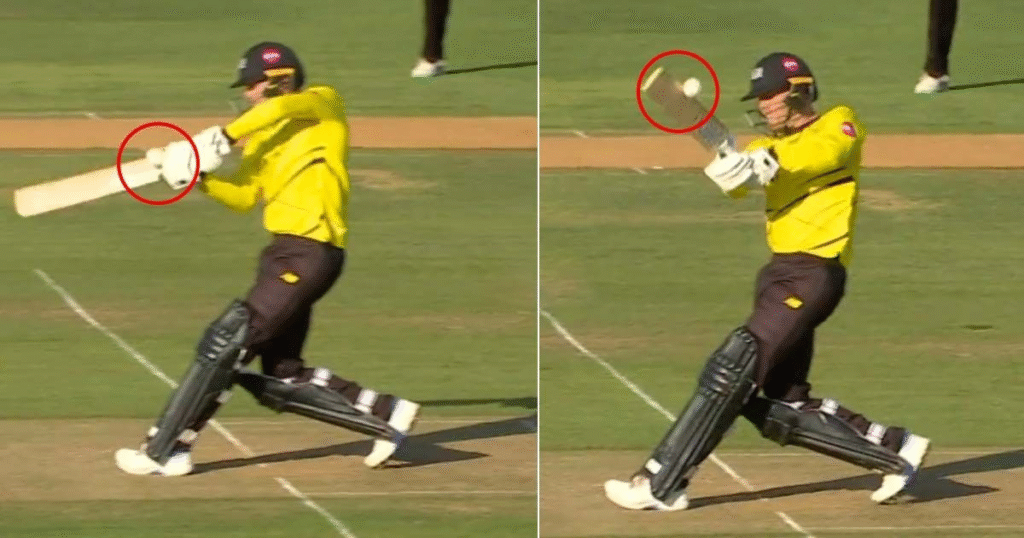
This is not common, but if the batter legally strikes the ball and then deliberately hits it again. The second time must not be to protect themselves, or the batter must not hit the ball twice to stop it hitting the stumps or being caught.
Obstructing the Field
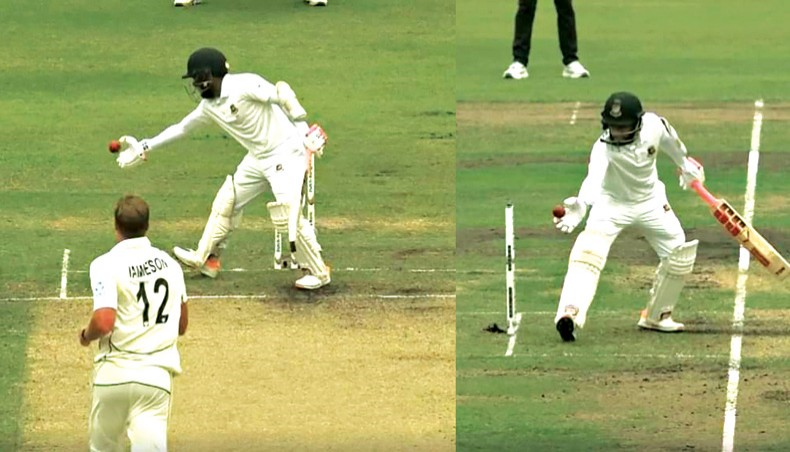
Batter may be out if they obstruct a bowler legally. If this is done deliberately by verbal message or actions, then the batter may be out. However, if a batter deliberately stops a throw off the hand of the bowler, while either running or stationary, the batter will be given out.
Retired Out

A batter who leaves the field without permission from the umpire (other than for injury or illness) and does not resume the innings will be retired out. Rarely, however, generally done for tactical reasons during an exhibition match.
Timed Out

The new batter must be in position to play the next delivery within three minutes after the previous dismissal. If the batter takes longer to get ready, the fielding side can appeal, and the batter becomes timed out.